

Resources to help
For immediate assistance, if you are experiencing crisis, call the Vancouver Island Crisis line at
1–888–494–3888
Visit their website at http://www.vicrisis.ca/
Resources for reflection and insight
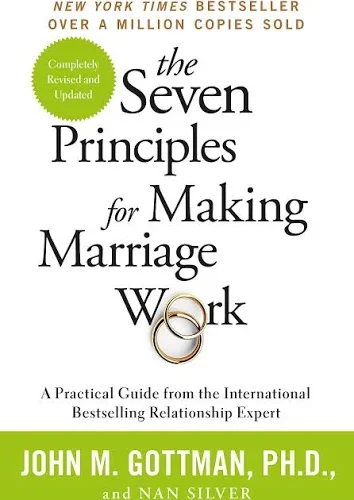
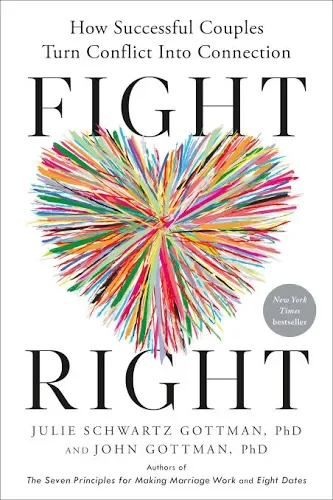
Great resources to read with your partners when navigating challenges from the Gottmans.
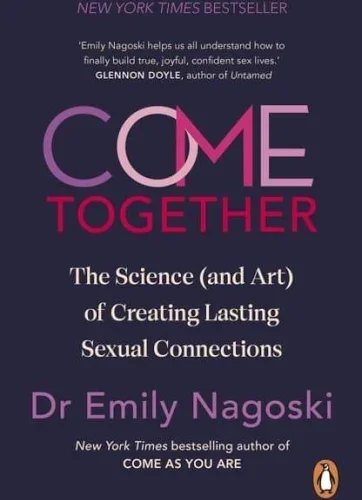
Emily Nagoski provides other insights on relationships.
Happiness should indeed be a part of everyone's lives.
It's important to manage our expectations about happiness and recognize how anxiety can interfere with our pursuit of it. Understanding this can help create the necessary space for us to fully express ourselves and live our best lives. Russ Harris does a great job of normalizing our relationship with anxiety in his various videos. He offers insights that can help people reframe their experiences and find a healthier way to connect with their emotions. By addressing anxiety and its impact on our happiness, we can work toward a more balanced and fulfilling life.
Boundaries are essential for your mental and emotional well-being.
Sometimes they’re crossed in subtle ways, and we only realize it once we feel uncomfortable or drained. Other times, the signs are obvious—like being overwhelmed by someone who just isn’t listening.
Setting boundaries can be tough, especially if you're not used to being heard or worry about hurting someone’s feelings. But boundaries aren’t about creating distance—they’re about creating clarity, safety, and respect.
The most important part of setting boundaries is staying connected to yourself. Ask yourself:
How do I want to be treated?
What am I okay with, and what feels like too much?
If something doesn’t feel right, how can I express that clearly and kindly?
Planning ahead and practicing your responses can help you feel more confident when you need to speak up. Boundaries are a skill—and with care and practice, they get easier.
Supporting healthy relationships
John Gottman’s research began in the 1970s. The Gottman Institute was founded in 1996 by John Gottman and Julie Schwarz Gottman, their research has led to the 7 Principles for Making Marriage Work. The main message is that healthy relationships are built through everyday habits of connection, respect, and communication — not by avoiding conflict altogether.
The video highlights seven main principles:
Know Your Partner Well — Strong couples stay interested in each other’s thoughts, feelings, stresses, and goals.
Show Appreciation — Expressing respect and gratitude helps strengthen the relationship and reduce negativity.
Respond to Each Other — Healthy couples pay attention to small bids for connection, such as asking for support, conversation, or affection.
Work as a Team — Successful partners listen to each other and are willing to compromise.
Handle Problems Calmly — Good communication and problem-solving skills help couples manage everyday conflicts.
Understand Ongoing Conflicts — Some disagreements are connected to deeper values or needs. Understanding each other matters more than “winning.”
Build a Shared Life — Strong relationships create shared goals, traditions, and meaning together.
The video also warns against four harmful communication habits: criticism, contempt, defensiveness, and shutting down.
Successful marriages are not perfect. They last because partners consistently show care, respect, responsiveness, and willingness to repair problems together.